Airbrakes Overview:
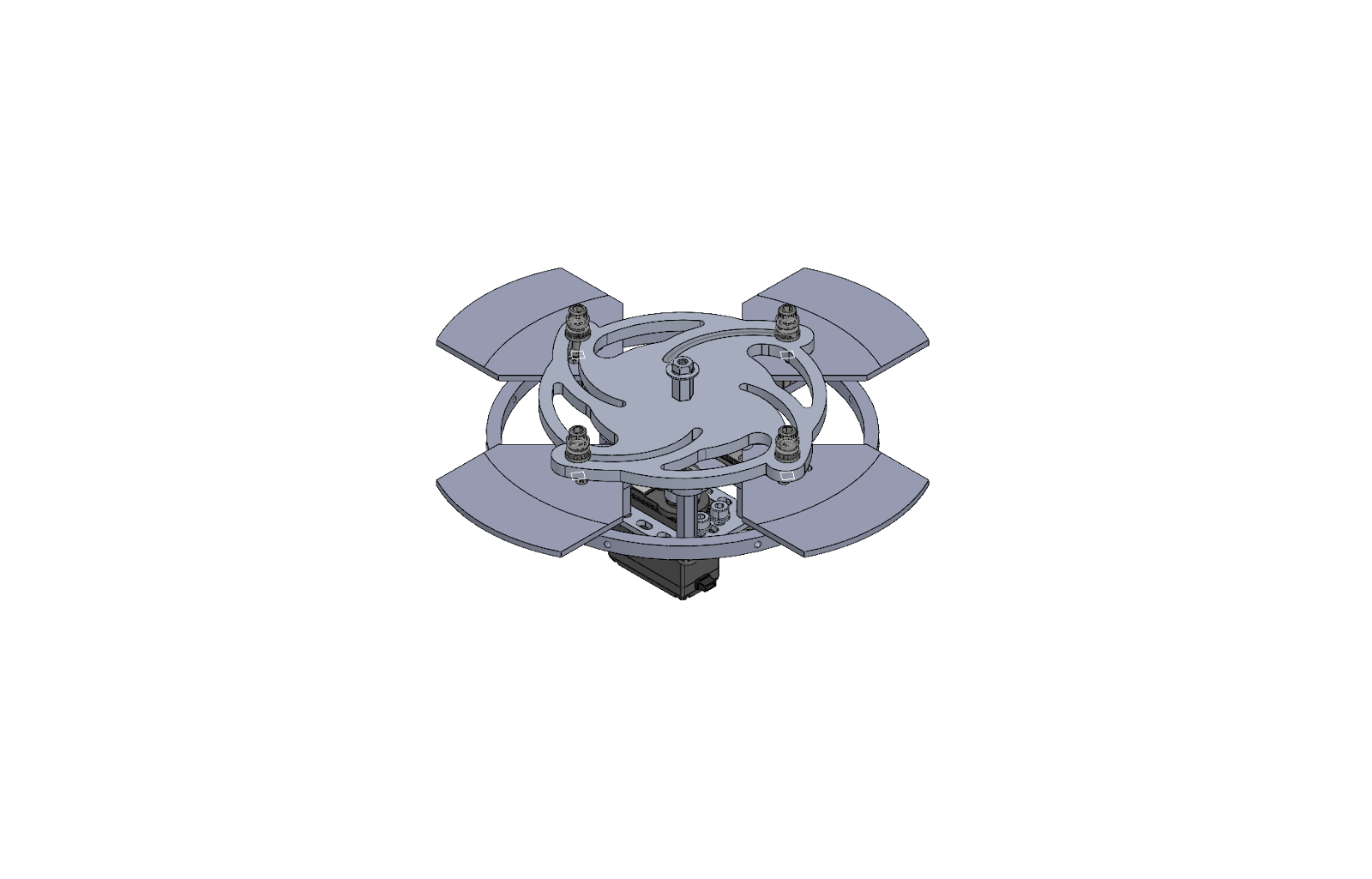
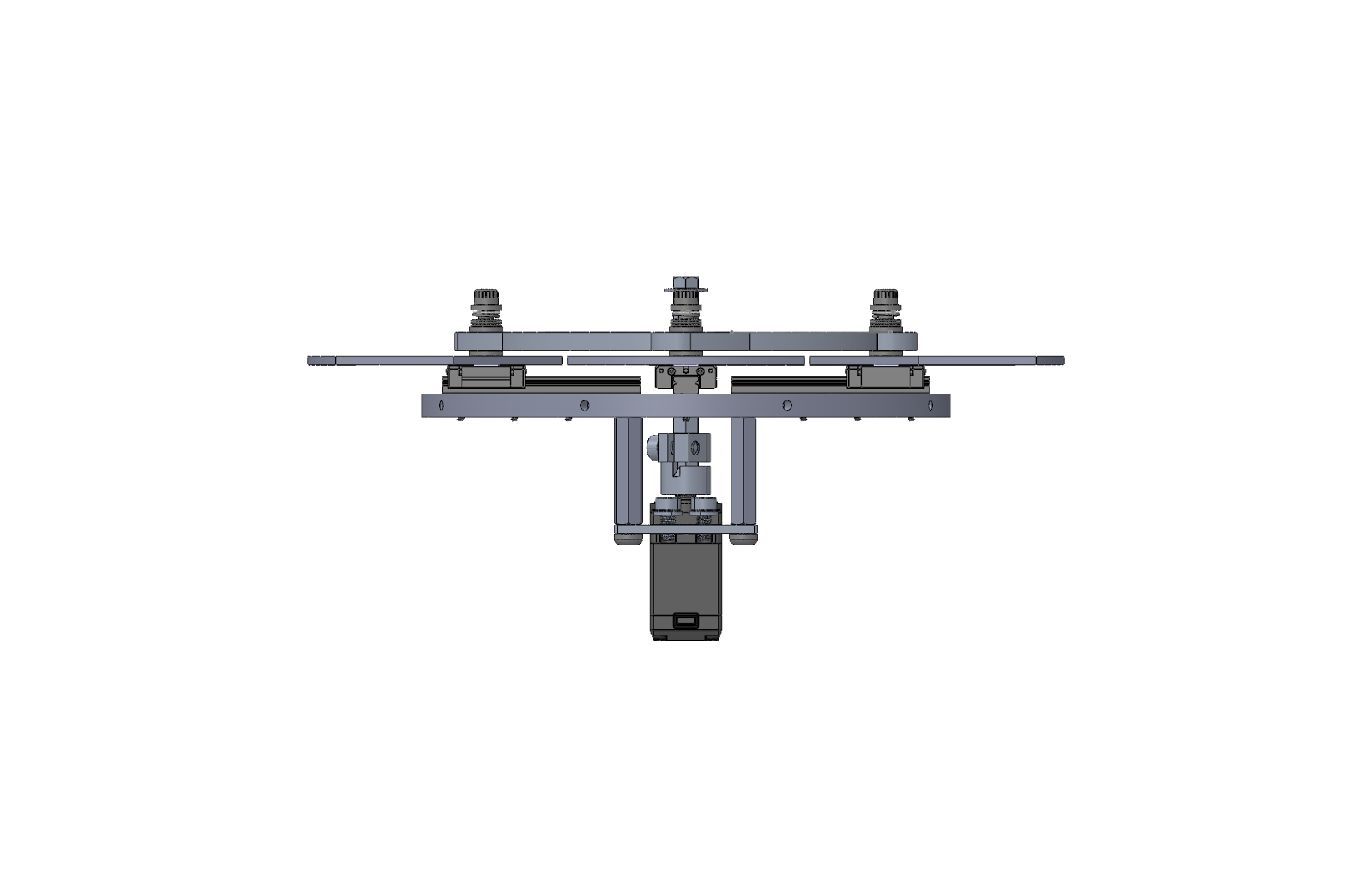
- Aerodynamic surfaces deployed during flight that create additional drag to slow rocket down
- Airbrakes allow for altitude control and are used to reach a specific apogee
- Revisiting and making major improvements to project from two years ago - improving upon mechanical design and incorporating active controls
Usage:
- The airbrakes will be flying on our test launch vehicle
- The initial controller design for the main Zephyrus launch vehicle showed us that we would not have control authority (low air densities at high altitudes_
- Does not reduce complexity of project
- Allows for active controls implementation
Functional Requirements - Structural:
- Airbrakes shall be at minimum weight while still achieving other design requirements
- Airbrakes shall be fully flush with OD of flight vehicle
- Airbrakes casing shall interface with the FRR
- Airbrakes shall be able to fully or partially deploy during flight with minimal friction
- Airbrakes shall create sufficient drag force to enable the vehicle to hit target apogee
Servo:
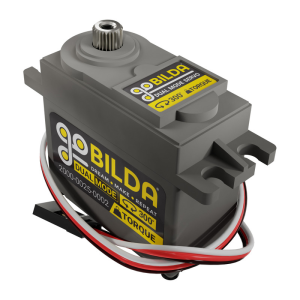
GoBilda 2000 Series Dual Mode Servo
Max No Load Speed (7.4V)
60 RPM (0.17sec/60°)
Max Rotation (7.4V)
300o
Stall Torque (7.4V)
25.2 kg-cm
Design Overview:
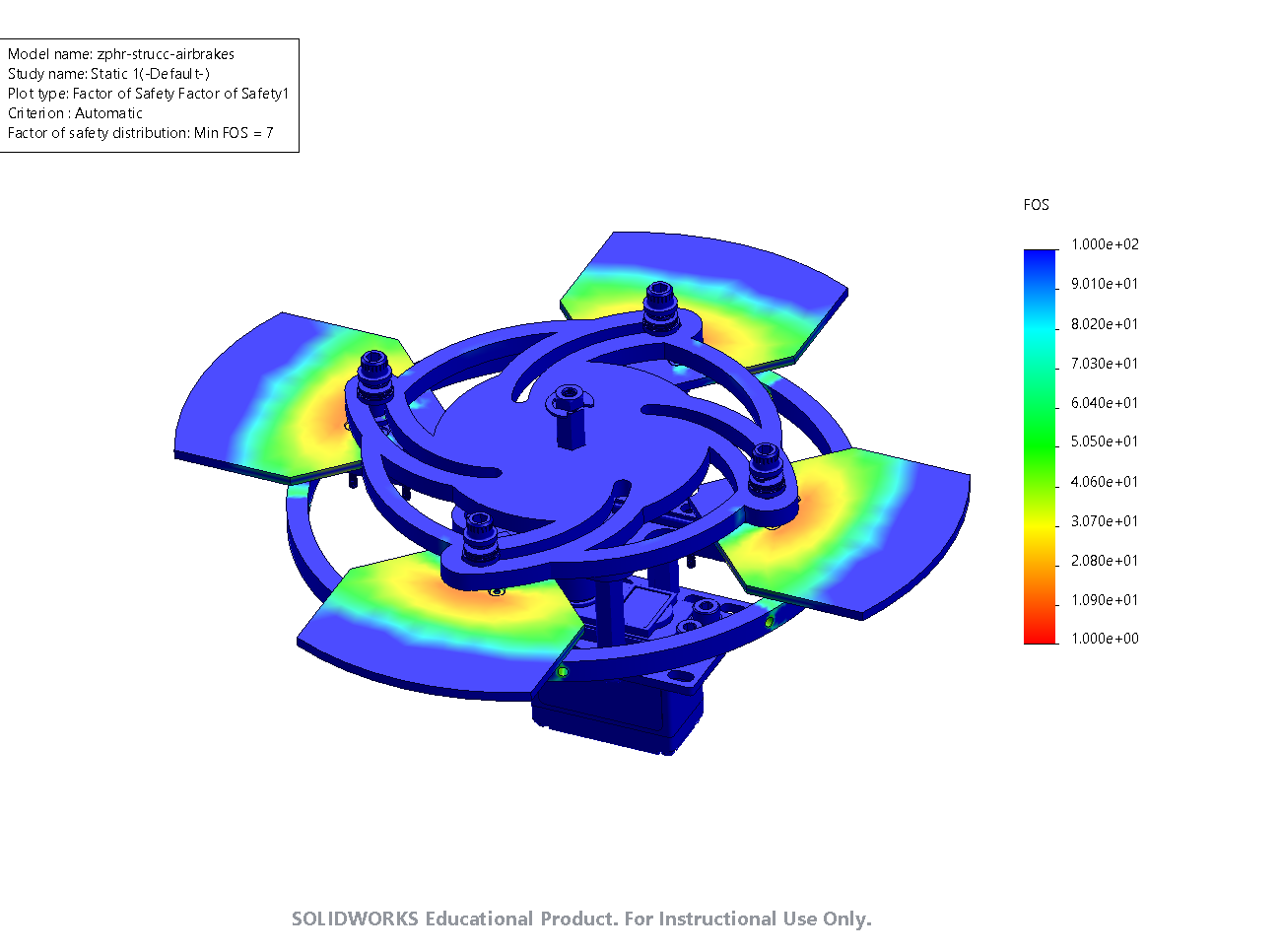
Airbrakes Full Assembly FEA:
- Fixed at radial holes
- Drag force on each leaf: 7.673 lbf (@ 15s on test launch)
- Minimum Factor of Safety: 7
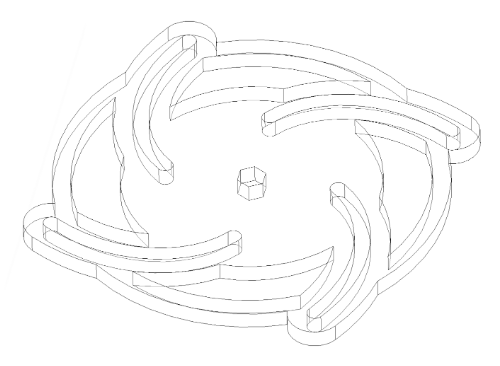
Rotational Plate
- Servo shaft goes through center of plate
- Rotates for leaf extension and retraction
- Connected to leaves via 4 bolts through each slotted curve
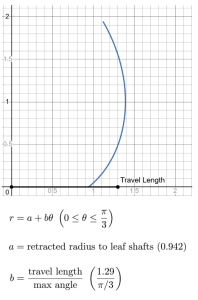
- 60° rotation -> 1.29” of travel length
- Travel distance determined by: leaf size, rail length, carriage length
- Material - acrylic
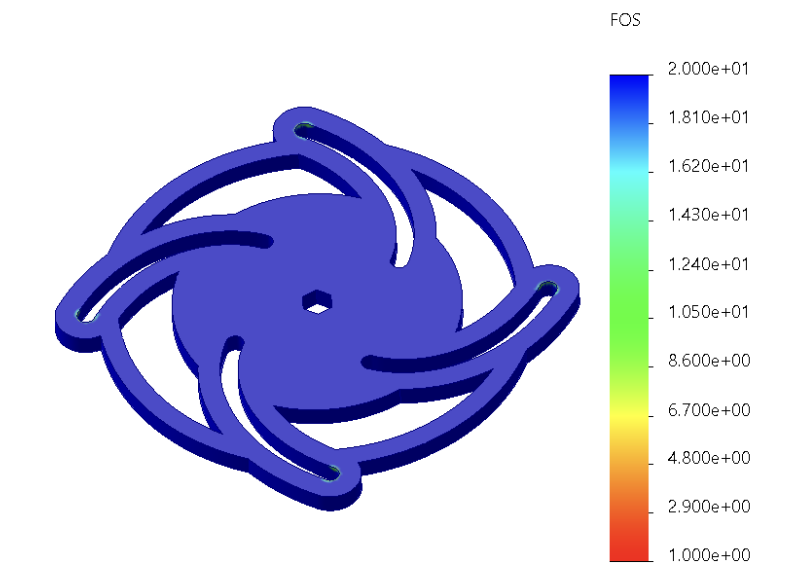
- FEA
- Fixed at shaft hole and end of slots
- Force: 30.7 lbf distributed between the end of each slot
- Minimum Factor of Safety: 7.6
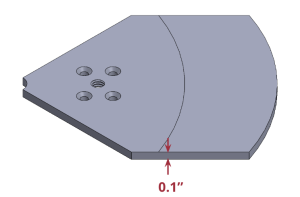
Leaves:
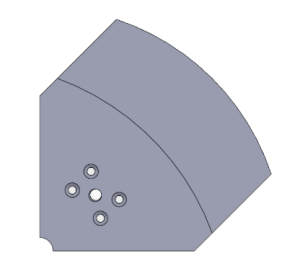
- Maximize surface area to maximize drag
- Outer edge of leaf flush with OD of flight vehicle
- Max travel distance: 1.29”
- Constrained by linear guide rail and carriage
- Material - Aluminum 6061 T6
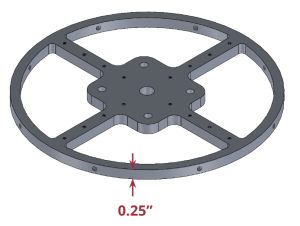
Bulkhead:
- Attaches to airbrakes case
- Attaches shafts for servo mounting
- Four radial beams for linear guide rails
- Material - Aluminum 6061 T6
- FEA
- Fixed at radial holes
- Max drag of airbrakes = 4 x 7.673lbf = 30.7lbf applied on the 4 beams
- Minimum Factor of Safety: 13
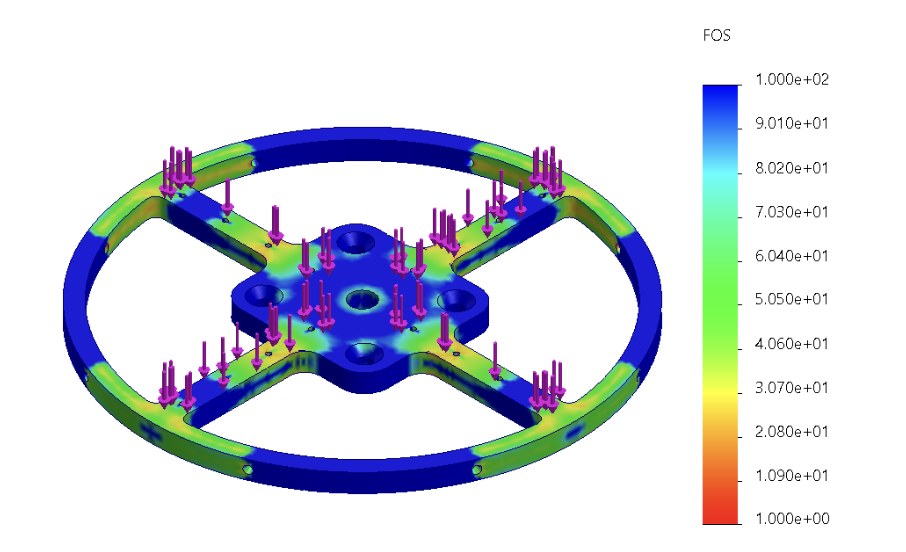
*Note: we are neglecting the high FOS as the airbrakes system is not a major contributor to overall launch vehicle mass
Testing:
Load Testing:
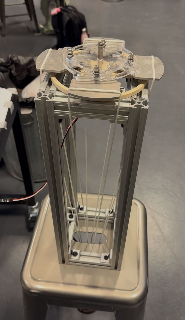
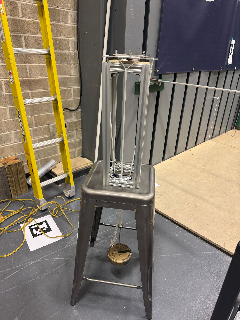
- Goal: Analyze servo performance and
airbrakes leaf extension and retraction
under increasing loads - Max predicted test launch drag
forces: 30lbf - Initial testing with no load condition
- Max weight across all 4 leaves with
reliable servo actuation: 16lbs
Inconclusive results potentially due to
software or physical test setup
Airbrakes Case
Purpose:
Page Contributors: Kareena, Yasmin